push time:2024-10-28 Popularity: source:52
1、 Overview of Torque Sensor
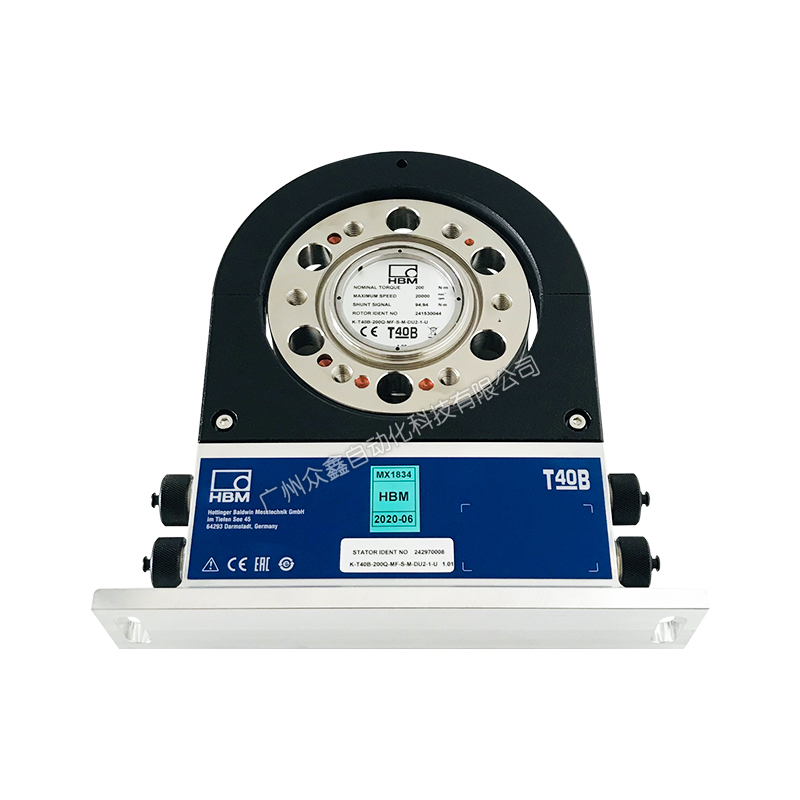
A torque sensor is a detection device that can sense the measured torque information. Its function is to convert the natural signals related to torque into electrical signals or other required forms of information output to meet the requirements of information transmission, processing, storage, display, recording, and control< a>
2. Working principle of torque sensor
2. Principle of static torque sensor (resistance strain principle)
Static torque sensor converts the strain generated by torsional torque into an electrical signal that is linearly related to it based on the resistance strain principle. Static refers to the measurement of elastic bodies by sensors that do not participate in relative motion. From the perspective of force, this type of test is to test the relative reaction force of an elastic body. Static torque sensors should not rotate more than 360 degrees and are generally used to test situations where torque changes slowly. The sampling speed is generally less than 50 times per second, such as testing manual torque wrenches, static load torque of transmissions, etc< a>
3. Principle of dynamic torque sensor (strain electrical measurement technology)
The input shaft and output shaft of non-contact torque sensor are connected by a torsion bar, and the input shaft has a keyway and the output shaft has a keyway.
Strain gauge sensor torque measurement adopts strain electrical measurement technology. Attach strain gauges to the elastic shaft to form a measuring bridge. When the elastic shaft undergoes slight deformation due to torque, it causes a change in the resistance value of the bridge. The change in resistance of the strain bridge is converted into a change in electrical signal to achieve torque measurement. The sensor consists of an elastic shaft, a measuring bridge, an instrument amplifier, and an interface circuit. Its characteristics are high resolution, small error, large measurement range, low price, easy to choose and use in large quantities< a>
. When the elastic shaft rotates, the waveforms of the two sets of sensors produce a phase difference, thereby calculating the torque. Its main feature is the non-contact transmission of torque signals, the detected signal is a digital signal, and the speed is relatively high. However, this type of torque sensor has a large volume and poor performance at low speeds, so its application is not very widespread< a>
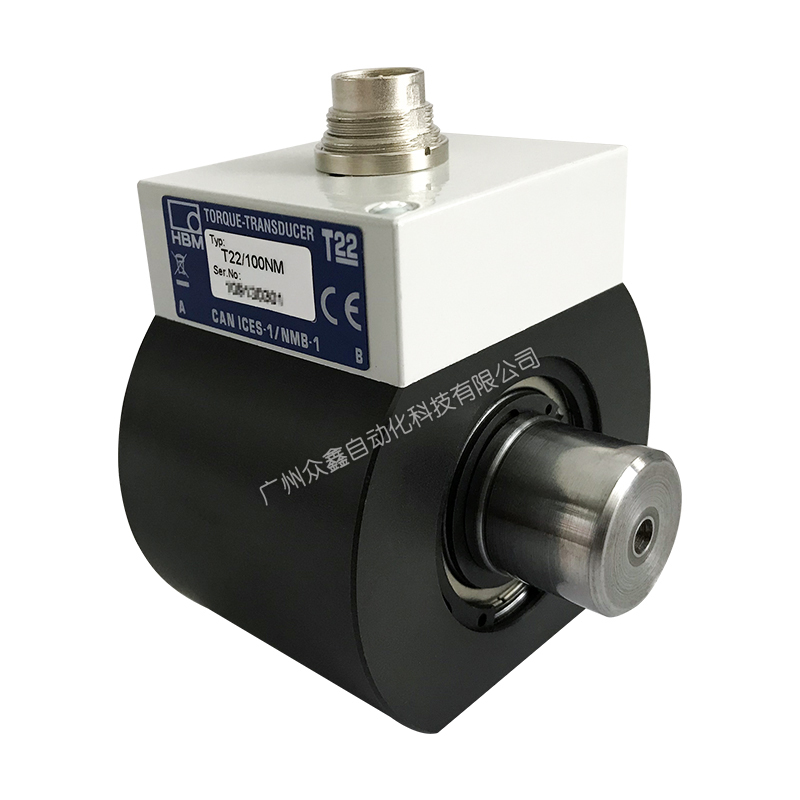 3. Classification of torque sensors
1. Classification by measurement state
Static torque sensors: As mentioned above, they are suitable for situations with slow torque changes, rotation not exceeding 360 degrees, low sampling speed, and work according to the principle of resistance strain< a>
Dynamic torque sensor: can be used in situations with severe torque changes, can capture torque or torque peaks, and uses working principles such as strain electrical measurement technology< a>
2. Classified by working mode
Non contact torque sensor: The input and output shafts are connected by a torsion bar, and the change in magnetic induction intensity caused by the relative position of the spline and keyway is converted into a voltage signal to measure torque, which has the advantages of long service life.
< a> Strain gauge torque sensor: A measuring bridge is composed of strain gauges attached to an elastic shaft, and torque measurement is achieved using strain electrical measurement technology. It has the characteristics of high resolution and small error< a> Phase difference torque speed sensor: Based on magneto electric phase difference torque measurement technology, the torque is calculated by the waveform phase difference generated by the gears at both ends of the elastic shaft and the proximity sensor. The signal is a digital signal, but it has problems such as large volume and poor low-speed performance< a>
Used for detecting the output torque and power of rotating power equipment such as electric motors, engines, and internal combustion engines.< a>
2. Mechanical device testing
< a>
3. Other fields
< a>
Fifth, the selection guide for torque sensors
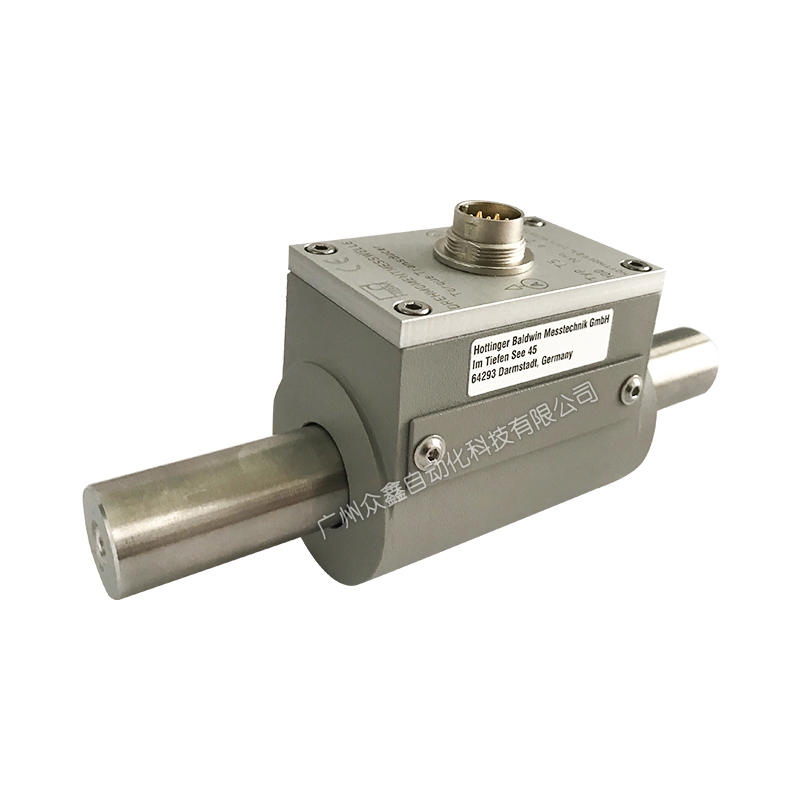
1. According to the torque type of the measured object
If the measured object is dynamic torque, such as measuring the starting curve, stopping curve, and various working conditions of the motor, a measuring instrument with an analog output port that can output analog signals should be selected.< a>
2. According to the working conditions of the application,
; If the application is in an industrial field, a torque meter with high reliability and simple structure must be selected, and the accuracy is not required to be too high. The accuracy level is generally 1, 2, or 3< a>
3. According to the structural characteristics of the tested object and the testing location
. If an interventional sensor is used, the shaft system must be disconnected, and the elastic shaft, as a component of the machine, intervenes in the entire transmission system, which is inconvenient to use< a>
4. Use non-contact signal transmission methods as much as possible based on the speed and rated torque value of the tested object.