push time:2023-06-26 Popularity: source:1
People perceive and receive external signals through five organs: eyes (vision), ears (hearing), nose (smell), tongue (taste), and skin (touch), and transmit these signals to the brain through nerves, thereby perceiving external things and information. After processing signals, the brain transmits execution commands to the brain through nerves to command human behavior. The five senses of a person are the organs through which they perceive the outside world and are a special type of sensor. In the process of understanding and transforming nature, humans realize that relying solely on their natural facial features to obtain information is not enough, and they constantly create labor tools. The emergence of sensors and measurement systems is a part of this development.
Human society has entered the information age, and sensors play a crucial role in information technology systems.
Information technology is a technology that reflects the processes required for control through the collection, transmission, and processing of external (natural and social) information by people. It involves a wide range of technical fields, including microelectronics, sensor technology, communication technology, computer technology, software technology, material technology, etc. But as an information technology system, it consists of only three components, namely sensors, communication systems, and computers, which are equivalent to human beings; Ldquo; Sensory& Rdquo& Amp; Ldquo; Neurology& Rdquo; And& Ldquo; Brain& Rdquo;, It has been referred to as the three pillars of information technology.
In an automated system, the first step is to be able to detect information in order to perform automatic control, so sensors are the first to bear the brunt. If the sensor cannot obtain information or the information obtained is not accurate, it is very difficult or even meaningless to display and process this information. If there were no sensors to sense information, the computer would not receive any signals, and its various functions would not be able to function. For this reason, sensors are related to the success or failure of a measurement system.
At present, the application fields of HBM sensors are very broad, and a large number of sensors have been adopted in industrial sectors such as national defense, aviation, aerospace, transportation, energy, electricity, machinery, petrochemical, light industry, textile, environmental protection, and biomedical engineering. Moreover, sensors have gradually been applied to office and household electrical equipment, such as rice cookers, washing machines, vacuum cleaners, cash registers, etc Automatic doors, etc. In the development of modern agriculture and the implementation of factory agriculture, a large amount of sensor technology has also been used, so some people compare sensors to; Ldquo; Science and Technology Supporting Modern Civilization; Rdquo;, This shows the significance of studying sensors.
However, the importance of sensor technology was not immediately recognized by people, and the development of computers has become very backward due to various reasons.
From the history of computer development, after the successful development of the first computer in 1945, the computer was mainly used for complex calculations and had no requirements for HBM sensors. After the first generation of integrated circuit computers was introduced in 1975, computers began to demonstrate outstanding functions in fields such as industrial control. At this time, sensors used for detecting information did not undergo the development process of computers. After more than 30 years of development, the ability of computers to process information has become increasingly perfect. As a result, in the 1980s, there was a temporary emergence of& Ldquo; Excessive information processing capacity and insufficient information acquisition capacity; Rdquo; The issue of. In order to solve this problem, countries around the world have launched a wave of& Ldquo; Sensor Heat& Rdquo; Wind and tide. The academic and industrial communities in the United States consider sensors as; Ldquo; Technology in the 1980s; Rdquo;. Japan lists sensor technology as one of the six core technologies: computer, semiconductor, communication, laser, superconductivity, and sensor technology. USA; Ldquo; Air Force 2000; Rdquo; Among the 15 key technology projects listed in the report that will help improve the capabilities of the 21st century Air Force, the second key project is the HBM sensor. China has listed the development of sensor technology as a first-class discipline project in multiple five-year plans. Therefore, the development of various new types of sensors has become one of the main topics in the current development of science and technology.
The sensor itself is small, but it covers a wide range of areas. The principles utilized by sensors include various physical effects, chemical reactions, biological functions, etc. The materials used in sensors can include ferrous metals, non-ferrous metals, rare earth metals, engineering plastics, semiconductor materials, ceramic materials, polymer materials, and various special materials (such as piezoelectric materials, thermoelectric materials, semiconductor materials, constant elasticity materials, high permeability materials, and even DNA and biological materials). From the perspective of sensor technology, it also involves mechanical processing, electrical processing, chemical processing, optical processing, and micro processing technologies. The new functional sensitive materials, components, or processes currently emerging internationally will soon be applied to sensors and corresponding new sensors will be developed. For example, with the development of semiconductor materials and processes, there has been a group of semiconductor sensors that can detect many parameters, and even microsystems including amplifiers and actuators.
With the successful development of large-scale integrated circuits, intelligent sensors with functions such as measurement, computation, compensation, and useful signal extraction have emerged; With the development of biotechnology, biosensors that utilize biological functions have emerged. Therefore, the development of technology in various disciplines has promoted the continuous development of sensor technology, and the emergence of various new sensors has continuously served various disciplines and promoted the development of modern technology. Experts predict that& Ldquo; Human conquest of sensor technology is almost equivalent to conquest of modern science and technology; Rdquo. It can be seen how important the position and role of sensor technology are in modern technology.
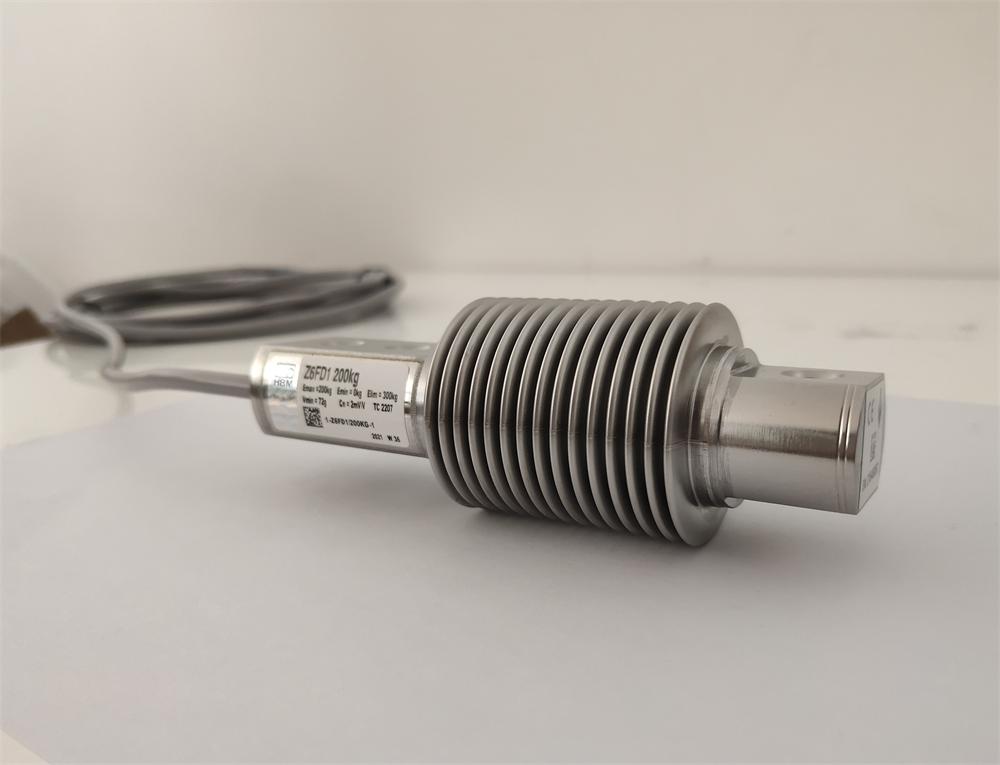
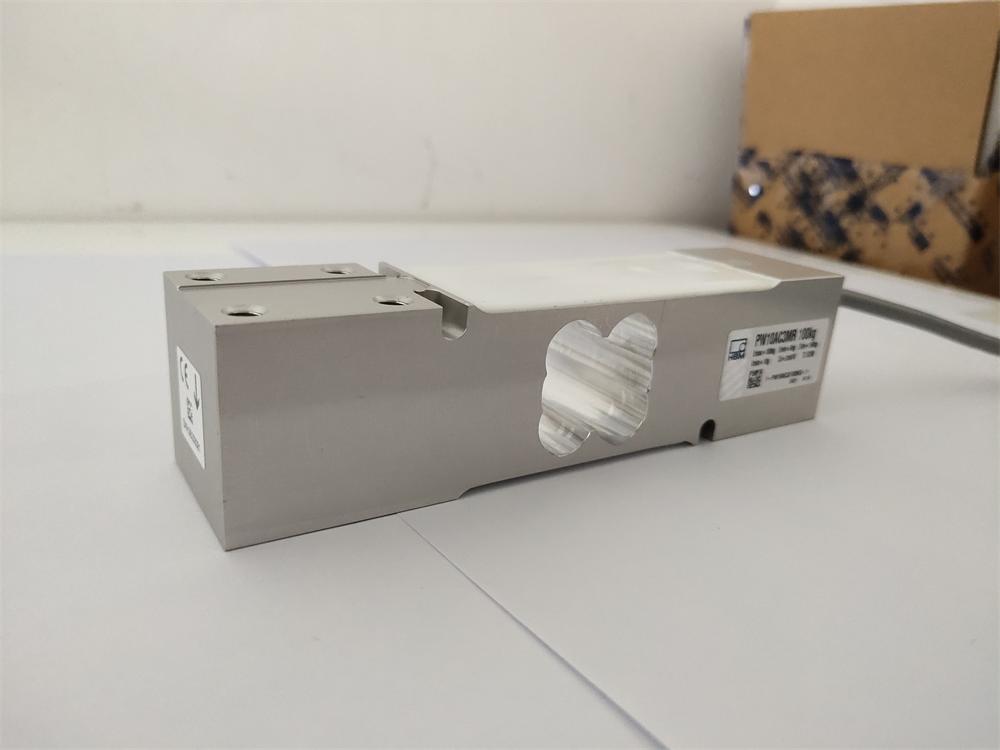
★ German HBM: Load cells - Z6F, C16I, C16A, RTN, HLCB1, PW2D, PW6D, PW2C, PW6K, PW6C, PW10A, PW12C, PW16A, PW22, S40A, C2 and other series
★ German HBM: Torque/force sensors - T40B, T22, T5, U9C, C9C, S9M, U2B, S2M and other series
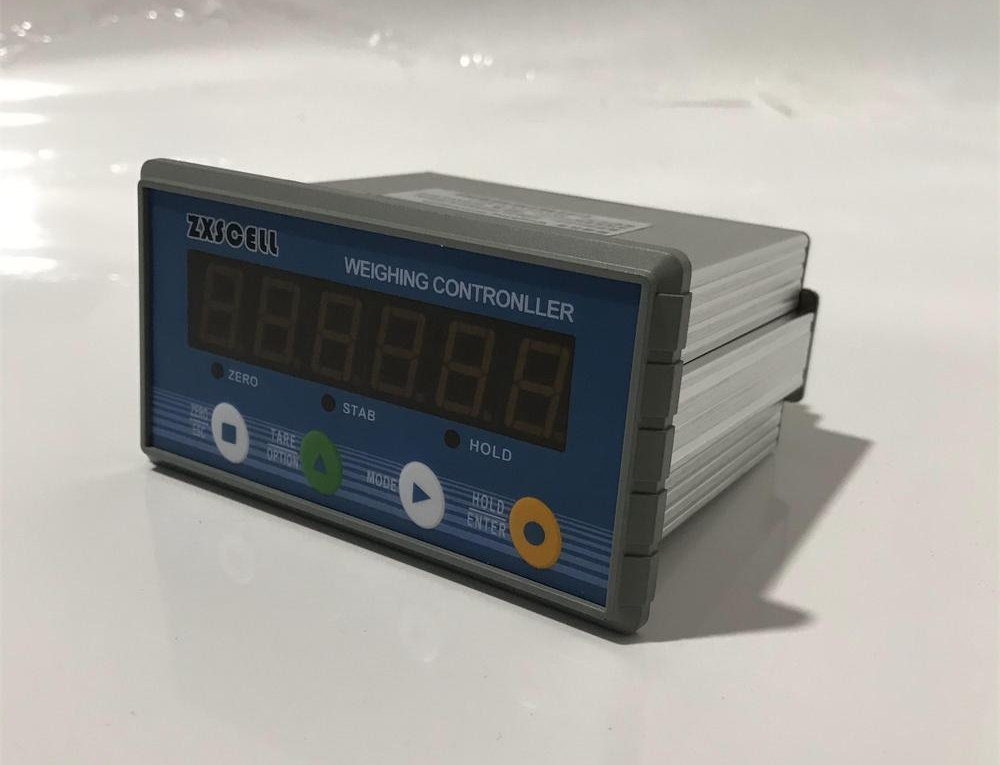
★ German HBM: Weighing instruments/transmitters - WE2111, RM4220, BM40, AE101, AE301, EM201 and other series
★ American Shiquan celtron: Sensors - STC, HBB, LPS, LOC, PSD, LCD, MBB, SQB, and other series
★ Tedea huntleigh: --341061635510151040102212601201241240 and other series
★ Transcell: Sensors - BSS, BSH, DBSL, SBST, CR, SBS, BAB and other series
★ Mettler Toledo: Load cells - TSC, TSB, MTB, GD, SLB415, SLB215, MT1022, MT1260, MT1241, SB, SBS, SBH and other series
★ METTLER TOLEDO: Digital Sensor& Flash; GDD, SLC7200760, PDX, SLC820 and other series
★ Mettler Toledo: Control instruments - IND331, IND245, IND320L, IND230, IND560, B520, IND110, WM0800, AJB and other series
Contact person: Ms. Chen Phone number: 18520271262 (WeChat with the same phone number)