push time:2023-06-26 Popularity: source:1
Key points for selecting temperature and humidity sensors
1. Select measurement range
Just like measuring weight and temperature, when choosing a humidity sensor, the first step is to determine the measurement range. Except for meteorological and scientific research departments, temperature and humidity measurement and control generally do not require full humidity range (0-100% RH) measurement. In today's information age, sensor technology is closely integrated with computer technology and automatic control technology. The purpose of measurement is to control, and the measurement range and control range are collectively referred to as the usage range. Of course, for applications that do not require measurement and control systems, choosing a universal hygrometer is sufficient. The following is a list of different requirements for temperature and humidity in the use of humidity sensors in some application fields for users' reference (see Table 1). Users can propose measurement ranges to the sensor manufacturer as needed, and the manufacturer prioritizes ensuring that the performance of the sensor is stable and consistent within the user's usage range, in order to obtain a reasonable performance price ratio. This is a mutually beneficial thing for both parties.
2. Select measurement accuracy
Like the measurement range, measurement accuracy is the most important indicator of a sensor. Every improvement; Flash; One percentage point. For sensors, it means going up a step, or even a level. Because to achieve different accuracies, the manufacturing costs and selling prices vary greatly. For example, a cheap imported humidity sensor costs only a few dollars, while a full humidity range humidity sensor for calibration costs several hundred dollars, a difference of nearly a hundred times. So users must tailor their products to suit their needs and should not blindly pursue them; Ldquo; High, refined, and sharp& Rdquo;.
Manufacturers often provide the accuracy of their humidity sensors in segments. For example, in the medium and low temperature range (0-80% RH), it is& Plusmn; 2% RH, while the high humidity section (80& flash; 100% RH) is& Plusmn; 4% RH. And this accuracy is the value at a specified temperature (such as 25 ℃). If humidity sensors are used at different temperatures, the effect of temperature drift should also be taken into account in their readings. As is well known, relative humidity is a function of temperature, which seriously affects the relative humidity in a designated space. Every 0.1 ℃ change in temperature. A humidity change of 0.5% RH will be generated (error). If it is difficult to achieve constant temperature in the usage situation, it is not appropriate to propose excessively high humidity measurement accuracy. If humidity fluctuates with temperature, discussing the accuracy of humidity measurement will lose practical significance. So the first step in humidity control is to control the temperature well, which is why temperature and humidity are often widely used; Flash; The reason for integrating sensors is not solely due to humidity sensors.
In most cases, if there is no precise temperature control method, or if the measured space is unsealed; Plusmn; A precision of 5% RH is sufficient. For local spaces that require precise control of constant temperature and humidity, or for situations where humidity changes need to be tracked and recorded at any time,& Plusmn; Humidity sensor with an accuracy of 3% RH or higher. The corresponding temperature sensor must have sufficient temperature measurement accuracy; Plusmn; Above 0.3 ℃, at least& Plusmn; 0.5 ℃. And the accuracy is higher than& Plusmn; The requirement of 2% RH may not even be achievable with a standard humidity generator for calibrating sensors, let alone the sensors themselves. The article from the Humidity Room of the National Standard Materials Research Center suggests that:; Ldquo; Relative humidity measuring instrument, even at 20& Flash; It is still difficult to achieve an accuracy of 2% RH at 25 ℃& Amp; Rdquo;
3. Consider time drift and temperature drift
Almost all sensors have time drift and temperature drift. Due to the fact that the humidity sensor must come into contact with water vapor in the atmosphere, it cannot be sealed. This determines that its stability and lifespan are limited. In general, the manufacturer will indicate that the effective use time for one calibration is 1 or 2 years, and will be responsible for recalibration upon expiration. Please consider the channels for recalibration in the future when selecting sensors, and do not neglect after-sales service for cheap or superstitious foreign products.
Guangzhou Zhongxin Automation Technology Co., Ltd. provides you with professional technical consultants to eliminate your concerns and ensure authenticity!
Main brand:
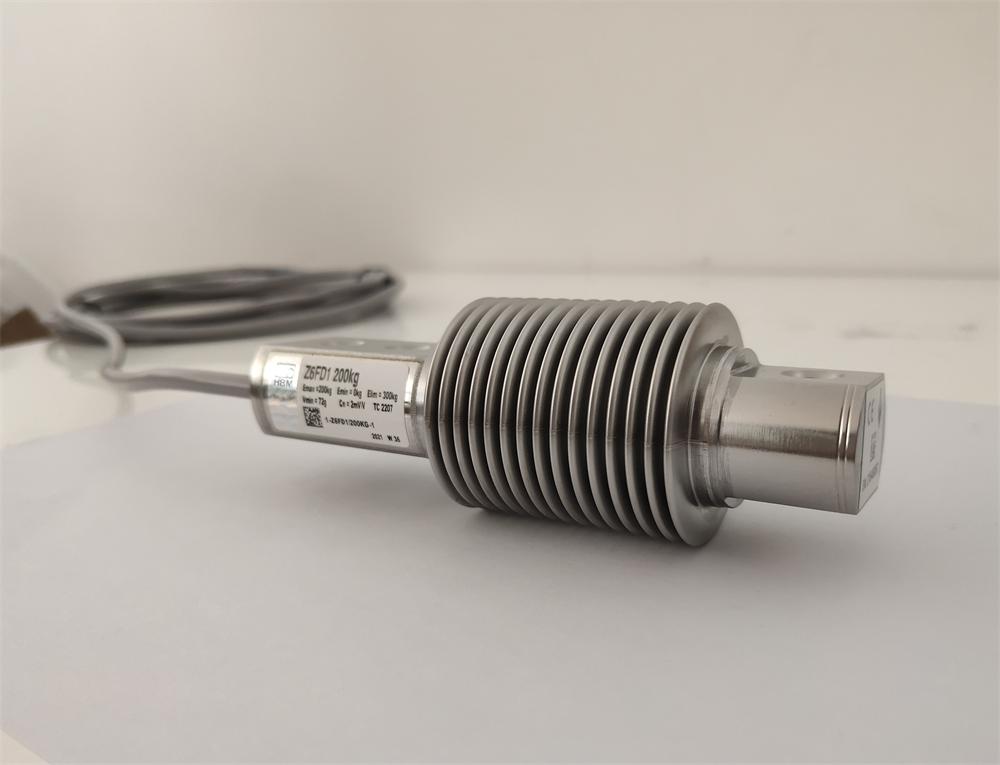
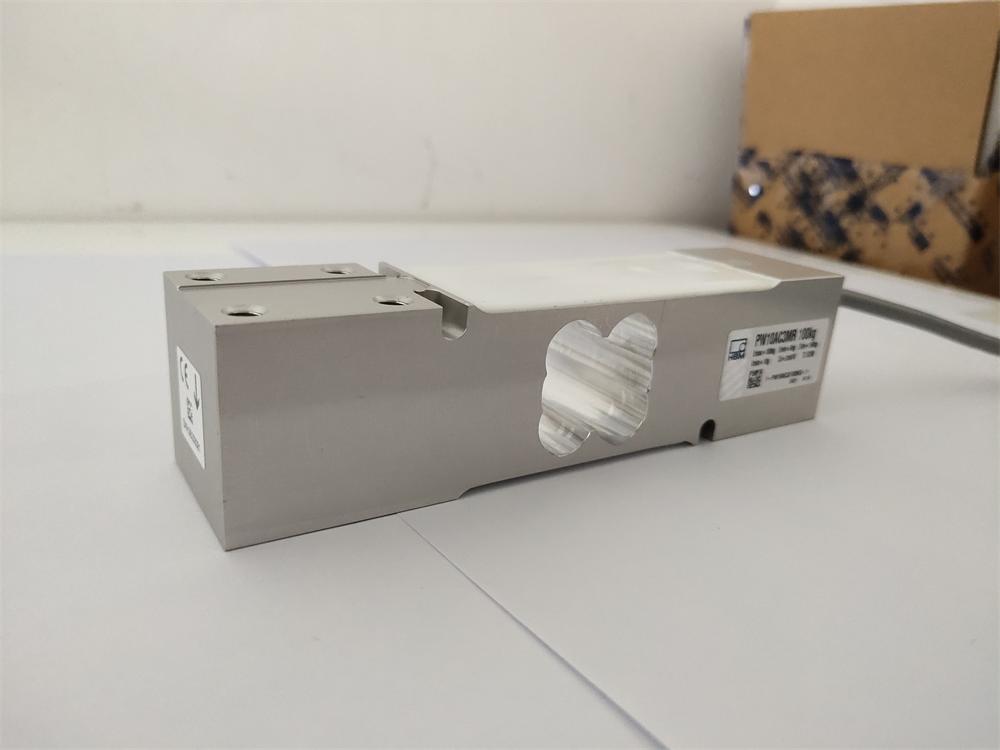
Load cells: Swiss Mettler Toledo load cell, German HBM load cell, American Transcell load cell, American Celtron load cell, American Tedea huntleigh load cell, American Vishay Revere load cell, American Sensortronics load cell, German FLINTEC load cell, American RICE LAKE load cell, American BLH load cell NOBEL US ZEMIC load cell, Mkcells US load cell, Coriolis US load cell, Suncells US load cell, Chcontech US load cell, OAP UK load cell, Guangshi load cell, Laumas Italy load cell, N.B.C. Italy sensor, AEP Italy load cell, Utilcell Spain load cell and display, NMB Japan load cell Japanese NTS load cell, Korean Bongshin load cell, Korean DACELL load cell, Korean Fine load cell, Korean CAS load cell, German Sartorius load cell, German Soemer load cell;
Displacement sensors: Novotechnik displacement sensor from Germany, VOLFA displacement sensor from Germany, HBM displacement sensor from Germany, Trans Tek displacement sensor from the United States, MEAS displacement sensor from the United States, RDP displacement sensor from the United Kingdom, and MTS displacement sensor from the United States;
Pressure sensors: MSI pressure sensor from the United States, MEAS pressure sensor from the United States, NMB pressure sensor from Japan, BDsensor pressure sensor from Germany, HBM pressure sensor from Germany, Burster pressure sensor from Germany, FUTEK pressure sensor from the United States, Dytran pressure sensor from the United States, and SENSYS pressure sensor from Korea;
Temperature and humidity sensor: Austrian E+E temperature and humidity sensor;

Sales contact information:
Miss Chen:
sales@zhongxintmt.com
Mr. Huang:
huanghao@zhongxintmt.com




 Sales Engineer - Miss Chen