1、 JTS11 Joint Torque Sensor Product Introduction
Product brand: ZXSCELL, Zhongkesel, USA
Product series: JTS11
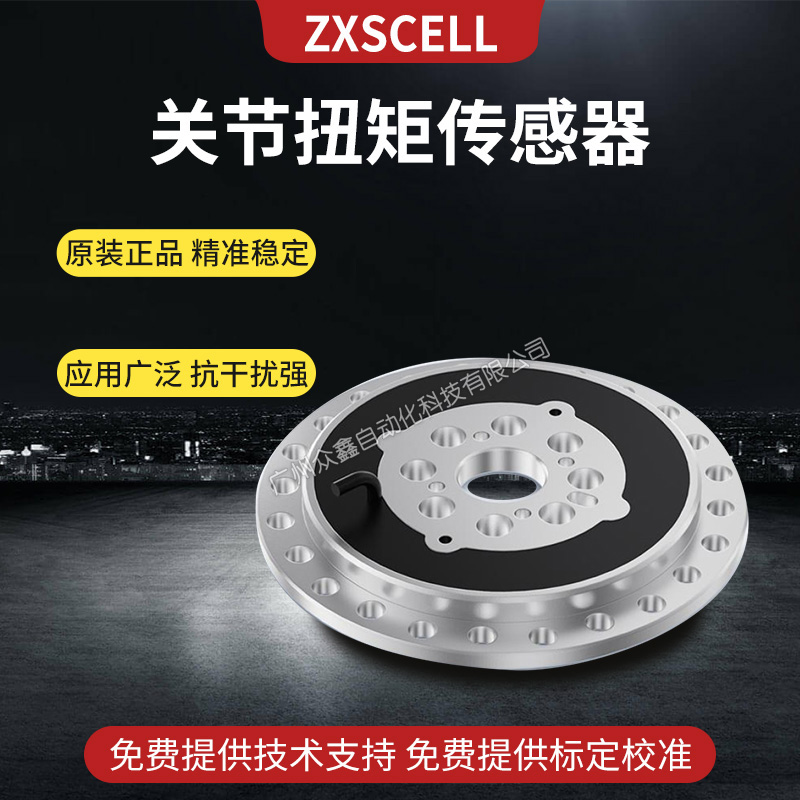
Product type:Joint torque sensor
Product Features:
(1) 5 times overload capacity
(2) Built in low-noise amplifier
(3) Comprehensive accuracy better than 0.2%
(4) Easy to use
(5) Structural decoupling design
(6) Data collection
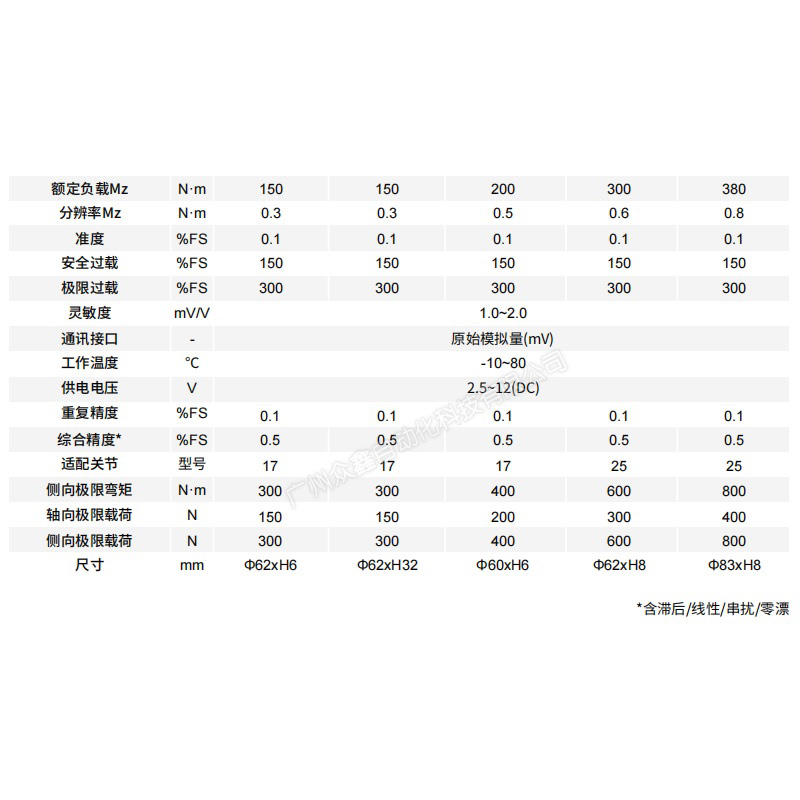
2、 JTS11 Joint Torque Sensor Product Parameters
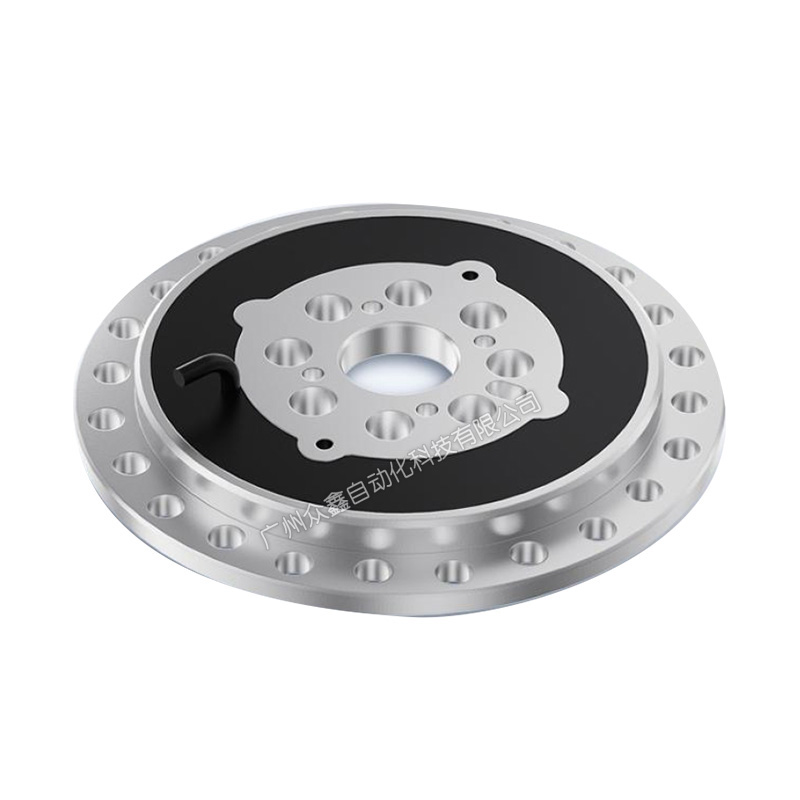
3、 JTS11 Joint Torque Sensor Product Image
4、 Expand Reading
Joint torque sensors, as the name suggests, are sensors directly installed inside robot joints to measure the torque at the joint output end. It forms a complementary relationship with the six axis force sensor installed at the end of the robotic arm. If the end six axis force sensor senses the contact force generated on the "hand", then the joint torque sensor senses the torque borne and output by each "joint tendon", which is the cornerstone of achieving robot compliance control, force feedback, and collision detection.
The core requirement of joint torque sensors is to balance stiffness and sensitivity, neither weakening joint response nor sensing minimal deformation. At the same time, they must have extremely strict temperature compensation for the heat and electromagnetic interference transmitted by the motor, and the signal bandwidth must also reach several kilohertz.
Its core value lies in achieving sensitive collision detection, which can directly stop the robot at the moment of encountering a person, far beyond the method based on current estimation; It is also possible to achieve zero force drag teaching under gravity and inertia force compensation, as well as smooth force position hybrid control during polishing and assembly, through torque closed-loop control of the robotic arm.
At present, joint torque sensors are deeply integrated into motors, reducers, and even integrated joint modules, using low-cost technologies such as silicon micro strain or microelectromechanical systems to perform signal conditioning, temperature compensation, and inertial torque deduction with the assistance of inertial navigation in the sensing head, directly outputting net external torque; By fusing encoder and accelerometer data for multi-sensor estimation, we can move from single point perception to building a comprehensive force perception system for robots.

Sales contact information:
Miss Chen:
sales@zhongxintmt.com
18520271262
Mr. Huang:
huanghao@zhongxintmt.com
18688492451




 Sales Engineer - Miss Chen